For nearly two decades, The Music Factory in Seattle has built its reputation around a clear mission. The school believes music education should strengthen creativity, discipline, confidence, and lifelong learning. What began as a small community music program has grown into a stable institution serving families seeking meaningful artistic education for both children and adults.
At the core of the school’s culture is a mentorship model. Students work one on one with teachers who are active performing and recording musicians. The goal is not simply to teach scales or repertoire but to help students develop a deeper relationship with music and creative thinking.
That approach has resonated with families across the Seattle area. Parents often view music lessons not only as an extracurricular activity but as a formative experience that helps students build focus, perseverance, and self expression. The school works with students of all ages, from young beginners discovering their first instrument to adults returning to music later in life.

Over the years The Music Factory has taught more than 100000 lessons. Students study guitar, piano, voice, drums, violin, songwriting, and digital music production. The school’s faculty is made up largely of professional musicians who perform, record, and collaborate in the broader music industry. That connection between professional artistry and education has become part of the school’s identity.
Like many education businesses The Music Factory faced a major test during the COVID pandemic. When in person lessons were no longer possible the school transitioned quickly to remote instruction.
According to the school’s leadership nearly ninety percent of lessons continued during the pandemic through online teaching. The transition revealed both the adaptability of the teaching model and the commitment of the school’s instructors and families. Online lessons remain available today for students who cannot travel to the Seattle studio.
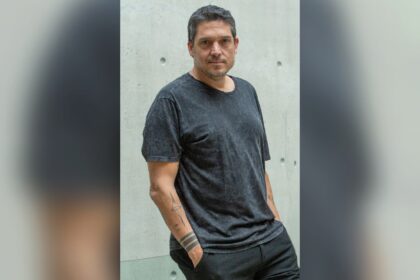
The school was founded by guitarist, composer, and recording artist Ari Joshua. Joshua began playing music in Seattle as a teenager before studying at Mason Gross School of the Arts at Rutgers University and later at The New School in New York City. His career as a performing and recording artist has continued alongside his work as an educator.
Approaching its twentieth year The Music Factory represents a rare example of a creative business with long term durability.
In business terms longevity itself can be an indicator. Many small businesses struggle to reach the five year mark. A company that reaches ten years often demonstrates real stability. Approaching two decades places a business in a much smaller category.
CEO Ari Joshua credits the school’s team and culture for that resilience.
“We’ve encountered thousands of obstacles along the way and I owe so much to the staff and administrators who helped build this place. It has become a tight knit family, with staff members that are essentially tenured. People are able to be honest with me about what is working and what needs attention, I am constantly weighing what to do and what not to do to improve things. Every year we try to find new ways to do things better and provide a better experience for our clients and students.”
Learn more about The Music Factory
https://www.musicfactory.online
School information and faculty via their legacy site
https://www.musicfactorynw.com/sign-up
Social Links:
Instagram — https://www.instagram.com/musicfactorynw
Facebook — https://www.facebook.com/musicfactorynw