For a long time, women were told that reshaping their bodies meant giving up control.
If you wanted curves, definition, or a more sculpted silhouette, the path was usually the same: dieting harder, training more aggressively, or handing the process over to medicine. The message was implicit but clear. Real change required escalation. And escalation meant that decisions would no longer fully belong to you.
That logic is now being questioned.
Not because women no longer want to act on their bodies, but because many want to stay in charge of how that action happens.
A Shift Toward Non-Medical Structure
This is where non-medical, structured approaches to silhouette care are gaining relevance. Not as vague wellness ideas, but as practical systems that allow women to decide where, how, and to what extent they work on their bodies.
CurvyLine® sits within this shift in a very concrete way.
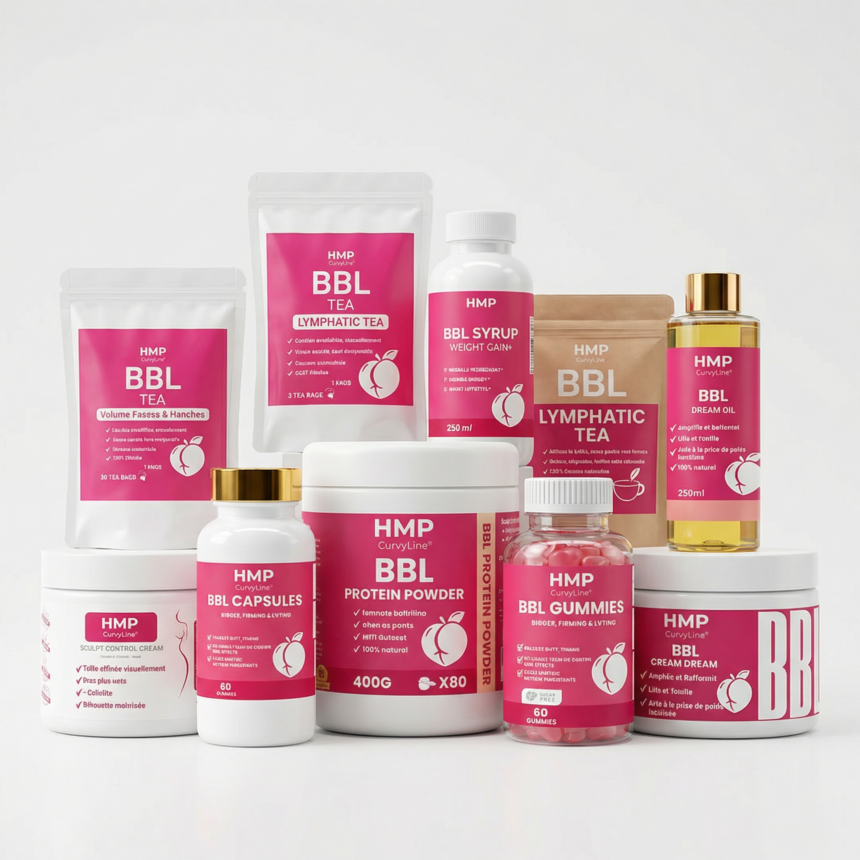
Rather than offering a single product or a single promise, the brand is built around a method that works on the body through several coordinated angles. The idea is simple: instead of forcing change through one radical intervention, the body is engaged on multiple levels at the same time.
The Method in Practice
First, there is internal activation. Gummies or capsules are used as part of a daily routine, designed to support the body from within. This step is not presented as a shortcut, but as a foundation — something that accompanies the process rather than replacing effort or consistency.
Second comes nutritional support aimed at volume. Syrups or powders are used to complement food intake, with the intention of supporting weight gain where curves are desired. The focus is not on changing the whole body indiscriminately, but on working toward a fuller, more balanced silhouette.
Third, there is external activation. Oils and creams are applied through massage and repeated gestures, targeting specific areas such as hips, buttocks, or chest. This external work is not framed as correction, but as sculpting — a way to emphasize shape and guide definition through touch and routine.
Additional elements complete the system. Teas are used as boosters within the routine. A separate range focuses specifically on the chest, combining internal and external actions. Sculpting creams are integrated to refine the silhouette and bring balance to areas where a more defined line is desired.
What matters here is not each product in isolation, but the fact that the woman chooses how to combine them.
Where Control Returns
There is no single mandatory path. No fixed protocol imposed from the outside. The routine can be adjusted. Emphasis can shift. The pace remains personal.
This is where control comes back into the picture.
Medical aesthetics centralizes authority. Once a procedure is chosen, the body follows a plan that is largely predefined. With structured, non-medical routines, authority stays distributed. The woman decides where to focus, when to intensify, and when to pause.
That difference is not symbolic. It is practical.
It means the body is no longer treated as a problem to solve in one decisive moment. It becomes something that can be worked on progressively, deliberately, and without handing over responsibility.
Preference Without Diagnosis
CurvyLine® does not frame femininity as something that needs fixing. Its approach assumes that wanting more curves, more volume, or more definition does not cancel out acceptance. It simply reflects preference.
And preference does not require a diagnosis.
For many women, this distinction is crucial. Acting on the body no longer has to mean submitting it to medical judgment. It can mean engaging with it directly, through routines that are active, targeted, and chosen.
That is why systems like CurvyLine® are less about restraint than about authorship. The method does not remove ambition. It organizes it.
A Third Option Takes Shape
The broader shift this reflects is straightforward. Women are no longer limited to two options: do nothing, or go to extremes. A third option is becoming visible — one where change happens through structure rather than escalation.
CurvyLine®, whose approach is outlined at curvy-line.com, is one example of how this middle ground is taking shape. Not as a promise of transformation, but as a way for women to remain decision-makers throughout the process.
In today’s beauty landscape, that may be the most meaningful form of control there is.